
Game Keeper: Duties, Salary & Training in 2026

Table of Contents
- What Does a Game Keeper Do in 2026?
- Core Responsibilities of a Modern Game Keeper
- Gamekeeper Salary: What Can You Earn?
- Gamekeeper Training Courses and Career Pathways
- Essential Gamekeeper Equipment for the Field
- The Unseen Side of the Job: Technology and Isolation
- A Day in the Life of a Game Keeper
- Conclusion: Is Gamekeeping the Right Career for You?
- Frequently Asked Questions
Last Updated: September 7, 2026
What Does a Game Keeper Do in 2026?
A game keeper is the land steward responsible for managing a country estate's game species, maintaining habitats, and balancing wildlife populations for shooting sports and conservation. Today's game keeper is part ecologist, part livestock manager, and part business operator.
The days of purely rearing pheasants for a single season are giving way to a year-round commitment to countryside management and wildlife monitoring.
This guide breaks down the real duties of the modern game keeper, expected earnings, training routes, and the equipment that earns its keep, plus the isolation and growing reliance on technology.
Core Responsibilities of a Modern Game Keeper
The modern game keeper juggles several distinct responsibilities across the calendar year. The work is seasonal, demanding, and rarely confined to a 9-to-5 routine.
- Game bird husbandry: Rearing pheasants and partridges from day-old chicks to release-ready poults, managing their feed, health, and housing through the spring and summer.
- Habitat conservation: Planting cover crops, managing woodland edges, and maintaining hedgerows to provide food and shelter for game and songbirds alike.
- Predator management: Controlling foxes, crows, rats, and stoats to protect ground-nesting birds during the breeding season.
- Shooting season operations: Organising driven shoots, managing beaters and pickers-up, and ensuring the day runs safely and smoothly.
A common mistake is assuming the shooting season is the busiest time. The opposite is true: spring and summer rearing and habitat work determine whether winter shoots succeed.
Habitat Management and Conservation
Habitat management is the foundation of sustainable gamekeeping. Without good habitat, no amount of rearing will produce a healthy game population.
This is where modern gamekeeping aligns with biodiversity goals. A well-managed shoot provides food and nesting sites for species far beyond the quarry, from yellowhammers to barn owls.
Predator and Vermin Control
Predator management is the most misunderstood part of the job, yet it is essential for any ground-nesting bird to thrive. Without control, foxes and crows can decimate a pheasant release pen within nights.
This is not about eradicating predators; it is about achieving a balance that lets game and other ground-nesting birds breed successfully. Vermin control is regulated, and keepers must hold the relevant licences and certifications.
Gamekeeper Salary: What Can You Earn?
Gamekeeper salaries in the UK vary considerably, but the total compensation package, not just the base wage, is what makes the role financially viable. Most resident keeper positions include a tied cottage.
Base Salary Ranges
- Under-keeper or trainee: £18,000 to £24,000 per year. These positions are common on larger estates where a team of keepers works under a head keeper. Accommodation is almost always provided.
- Single-handed keeper: £24,000 to £32,000 per year. This role covers a smaller shoot or a beat within a larger estate. The keeper is responsible for all aspects of the job without a supporting team.
- Head keeper: £32,000 to £45,000+ per year. Head keepers on prestigious estates with several thousand acres and a full shooting calendar command the higher end of this range. Some estates with additional enterprises like deer stalking or angling pay more.
The Value of the Tied Cottage
A tied cottage is a standard part of most resident keeper packages. A three-bedroom rural cottage would typically rent for £700 to £1,100 per month, adding £8,400 to £13,200 of untaxed value annually (gov.uk). However, the cottage is tied to the job, meaning you must vacate it if you leave the position, a critical consideration for long-term financial planning.
Additional Benefits and Bonuses
Beyond the cottage, most estates provide a package that meaningfully reduces living costs:
- Vehicle and fuel: A land rover or pickup for estate work, with fuel covered. Private use is often permitted but not guaranteed.
- Game meat: A regular supply of pheasant, partridge, venison, and sometimes wildfowl. For a family that eats meat, this can save £50 to £100 per month.
- Bonuses: Some estates pay a performance bonus tied to the number of birds successfully reared or the quality of the shooting season, typically ranging from £500 to £3,000.
- Utilities: In some tied cottages, heating oil and electricity are included or subsidised, though this is becoming less common.
Regional Variations
Salaries tend to be higher in the South of England, particularly in Hampshire, Wiltshire, and Gloucestershire, where large commercial shoots are concentrated, but property prices there are also the highest. In Scotland and the North of England, base salaries are often lower by £2,000 to £4,000, but the cost of living, and the quality of the tied cottage, is frequently better.
The Realistic Financial Picture
A head keeper on £38,000 with a tied cottage, vehicle, and game meat is effectively earning a package worth £50,000 to £55,000 in urban terms. However, entry-level positions pay modestly, and the hours are long. The financial rewards come with experience and reputation, not quickly.
Gamekeeper Training Courses and Career Pathways
There is no single mandatory qualification to become a game keeper, but the modern role demands a blend of formal training, practical apprenticeships, and statutory certifications. Estates increasingly expect verifiable competence.
The Apprenticeship Route
These apprenticeships combine paid employment on an estate with block-release college study. You earn while you learn, and the qualification is recognised across the industry. The curriculum covers:
- Game bird rearing and husbandry: From incubation to release, including health management and biosecurity.
- Habitat management: Woodland management, cover crop planting, and conservation planning.
- Predator control: Legal trapping methods, shooting proficiency, and species identification.
- Deer management: Stalking techniques, carcass handling, and venison hygiene.
- Business and record-keeping: Modern estates require accurate data on rearing success, release numbers, and expenditure.
College Diplomas and Land-Based Courses
For those who prefer a college-first route, several land-based colleges offer full-time diplomas in countryside management or gamekeeping, including Sparsholt College (Hampshire), Askham Bryan College (Yorkshire), and Scotland's Rural College (SRUC). These courses typically last one to two years.
Statutory Certifications and Licences
Regardless of the training route, every keeper must hold several statutory certifications, non-negotiable for employment on any reputable estate:
- Shotgun and Firearm Certificates: Issued by the local police force. A shotgun certificate is required for game shooting; a firearm certificate is needed for rifles used in deer management and fox control. The application process involves a background check, a reference from a professional, and evidence of secure storage (gov.uk).
- LANTRA Awards: Short, practical courses covering chainsaw operation, ATV handling, and pesticide application. Most estates require these certificates before you are allowed to operate machinery.
- First Aid at Work: A recognised first aid qualification is essential for remote, rural working where emergency services may be 30 minutes or more away (hse.gov.uk).
- The Gamekeepers' Certificate: Offered by the Game & Wildlife Conservation Trust, this is a foundation qualification covering the ethics, law, and practical skills of gamekeeping. It is widely respected and often requested by estate managers.
The Career Ladder
The typical career progression follows a clear path, though the timeline varies significantly:
- Beater or Picker-up (age 14+): The traditional entry point. Seasonal work on shoot days provides exposure to the environment, the dogs, and the etiquette of the sport. Pay is modest (£60-£90 per day), but the experience is invaluable.
- Under-keeper (age 18-25): A paid position on a team, working under a head keeper. Duties focus on rearing, pen maintenance, and predator control.
- Single-handed Keeper (age 25-35): Running a smaller shoot independently. Requires confidence in all aspects of the job, from budgeting to shoot-day organisation.
- Head Keeper (age 30+): Managing a full estate team, overseeing budgets, liaising with the estate owner, and coordinating the entire sporting calendar. This role demands leadership and business acumen as much as practical skill. hunting and trapping bait.
The Modern Qualification Gap
One area where the industry is evolving is digital literacy. Estates increasingly use GPS mapping for cover crop placement, trail cameras for predator monitoring, and app-based records for rearing data. Few formal training courses cover these tools in depth, creating an opportunity for candidates who arrive with these skills.
Essential Gamekeeper Equipment for the Field
A game keeper's equipment list is long, but a few items are non-negotiable for comfort and safety across a full working day.
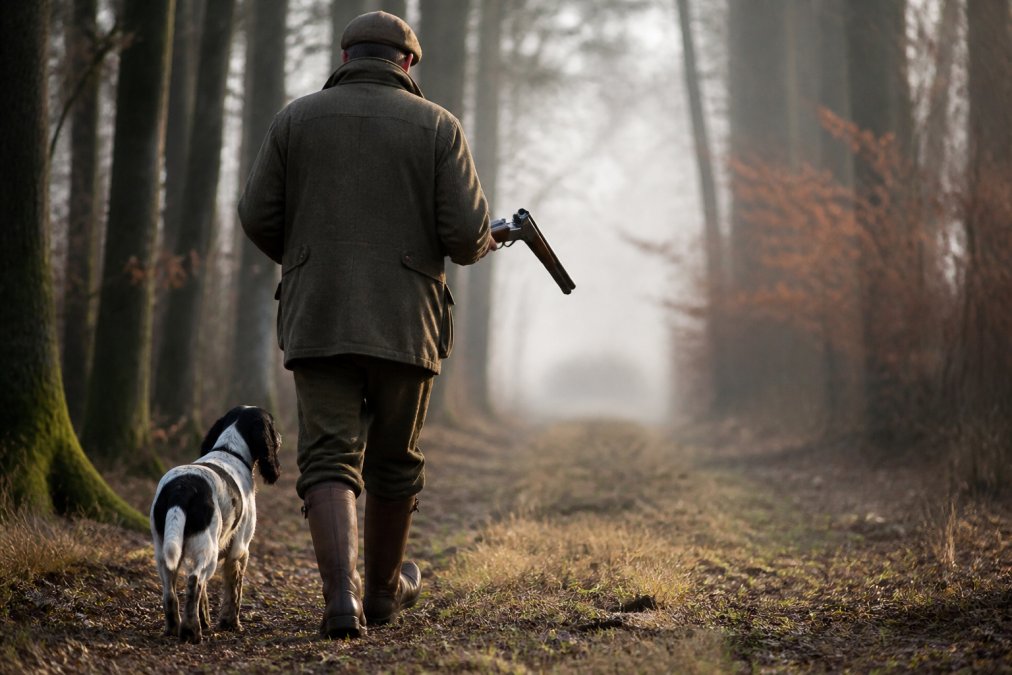
- Footwear: The single most important purchase. Keepers walk miles daily across mud, wet grass, and rough terrain, often before dawn. A pair of fully waterproof, storm-welted boots with a rugged Vibram sole provides the support and traction needed for the job.
- Clothing: Tweed or waxed jackets for weather protection, layered with breathable base layers that manage sweat during physical work.
- Dog equipment: Kennels, feed bowls, first-aid kits, and a reliable whistle and lead system for working dogs.
- Feed and husbandry: Feed hoppers, drinkers, and heat lamps for rearing sheds, alongside a supply of quality game bird feed.
- Tools for habitat work: A chainsaw, hedge trimmer, and hand tools for maintaining cover and woodland.
The Unseen Side of the Job: Technology and Isolation
The popular image of the game keeper is a solitary figure in a land rover. The reality is more complex, and two aspects of the modern role rarely make it into recruitment brochures.
GPS mapping now plots release pen locations and cover crop boundaries with precision. Trail cameras monitor predator activity around pens without requiring a keeper to sit out at night. Drone surveys assess habitat condition across large blocks of woodland. Keepers who embrace these tools are significantly more effective than those who rely on memory and guesswork.
Isolation remains a genuine challenge. Much of the work is done alone, often in remote locations and unsociable hours. The mental health toll is real, and the rural economy offers fewer support networks than urban professions. Regular contact with neighbouring keepers, involvement in local gamekeeper associations, and structured days off all help mitigate the loneliness.
A Day in the Life of a Game Keeper
A game keeper's day varies completely with the season, which is part of the appeal and part of the challenge.
After feeding and watering the young poults, the keeper moves to predator control, checking traps along the woodland edge before the songbirds get active. The afternoon is spent planting a new cover crop strip and repairing fencing around a release pen.
A winter shoot day (December): The alarm goes at 5 am. The keeper loads the land rover with cartridges, flags, and flasks before briefing the beaters at 8:30 am. The drive itself runs from 9 am to 3 pm, with the keeper coordinating the line of beaters, managing the guns, and ensuring the safety of everyone on the ground. After the last drive, there is the task of picking up birds, cleaning the day's bag, and preparing for tomorrow's shoot, a 12-hour day of intense, organised activity.
Equipment that performs all day matters in this job. The right footwear is not a luxury; it is the difference between finishing a shoot day with dry, comfortable feet or spending the evening nursing blisters and trench foot. This is why we built the Osprey Laced Country Boot with a Sympatex waterproof lining and a Vibram Commando sole: a keeper walks miles daily in conditions that would destroy lesser boots within a season.

Conclusion: Is Gamekeeping the Right Career for You?
Gamekeeping is not a job you fall into for the money. It is a vocation for those who love the outdoors, working with dogs and birds, and taking pride in managing the land through all four seasons.
If you are prepared for those realities, it remains one of the most rewarding outdoor professions in the countryside.
For those already working the land, investing in equipment that lasts is part of the profession's ethos. A pair of storm-welted, fully waterproof boots from Field & Moor, handcrafted with thick leather uppers and rugged Vibram soles, are designed to stand up to years of estate work and re-soling when the time comes. Get started with Field & Moor and equip yourself for dependable service in the field.
Frequently Asked Questions
What qualifications are needed to become a gamekeeper?
While there are no mandatory qualifications, most employers expect practical experience and a passion for the outdoors. Formal gamekeeper training courses, such as a Level 2 or 3 Diploma in Game and Wildlife Management, significantly boost your prospects. These courses cover habitat conservation, deer stalking, and pest control. An apprenticeship on a country estate is the most direct entry route, allowing you to earn while you learn from an experienced head keeper.
How much does a gamekeeper earn in the UK?
A gamekeeper salary varies with experience, location, and the size of the estate. A trainee or under-keeper typically starts around £18,000 to £22,000 per year. A qualified gamekeeper with several years' experience can expect to earn between £25,000 and £35,000. Head keepers responsible for large, commercial shoots often earn £40,000 or more. Many roles also include a rent-free cottage and a vehicle as part of the package.
Is gamekeeping a physically demanding career?
Yes, gamekeeping is physically demanding. Days are long, especially during the shooting season, and often start before dawn. The work involves walking many miles across rough terrain, carrying heavy feed sacks, digging release pens, and handling pest control traps. You work outdoors in all weather conditions. Good physical fitness is essential, but the variety of daily tasks and the outdoor lifestyle are major draws for many in the profession.
What does a gamekeeper do on a daily basis?
A game keeper's daily routine changes with the seasons. In spring and summer, the focus is on breeding and rearing game birds: feeding, monitoring health, and maintaining release pens. Habitat management, such as cutting woodland rides and planting cover crops, is also key. Autumn and winter are dominated by preparing for shoots, managing the beaters and pickers-up, and controlling predators. Throughout the year, you'll also maintain equipment and manage the estate's wildlife habitats.